
Emergency Dentist: What to Do When Tooth Pain Strikes?
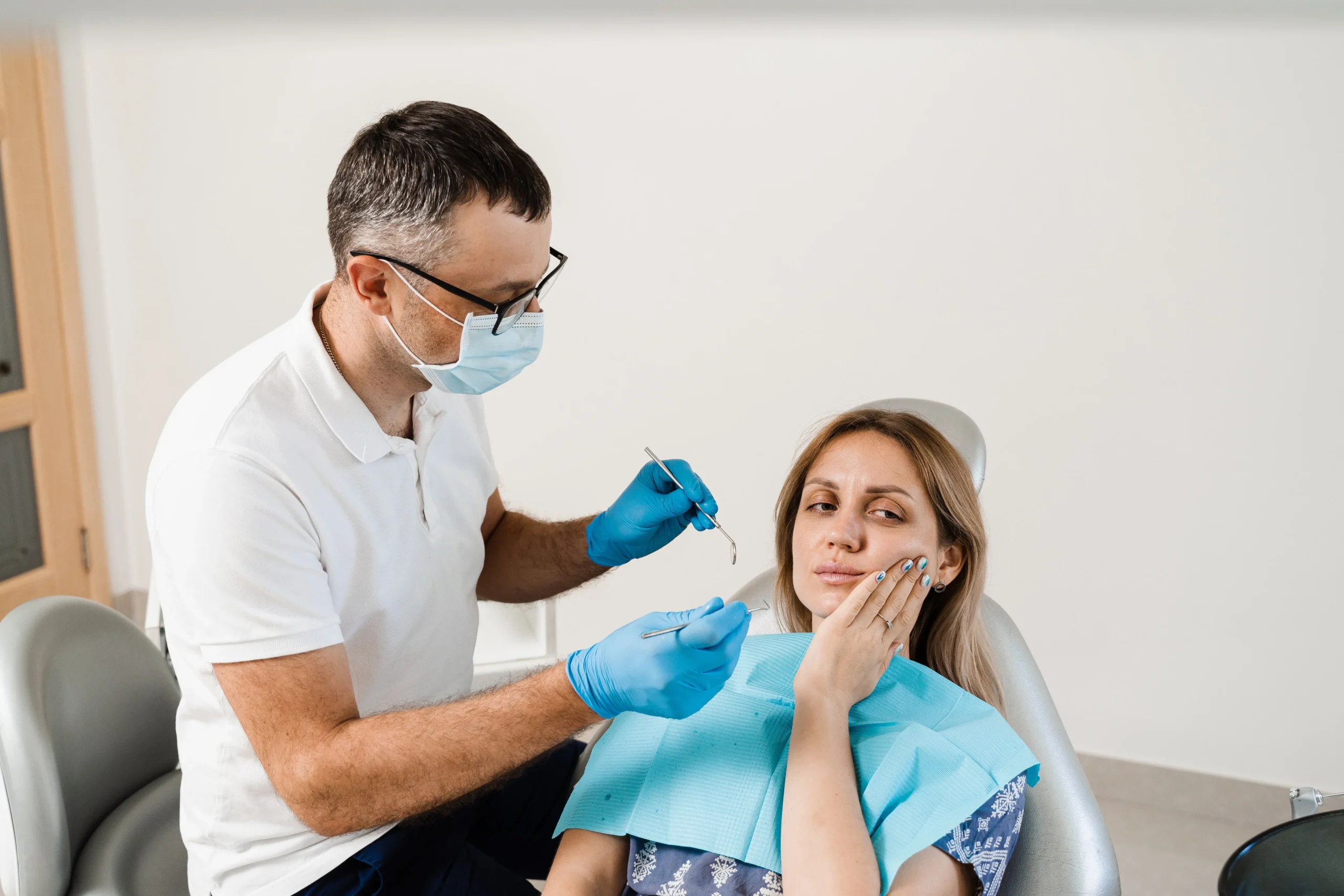
Tooth pain has a special talent for showing up at the worst possible time. It starts as a niggle. Then it turns into a throb. Then suddenly you’re pacing the kitchen at 2am, holding your jaw like it owes you money, wondering if you should call someone or just… suffer quietly until morning.
If you’re reading this, you probably want two things: relief and a plan. This guide will walk you through what to do when tooth pain hits, how to tell if it’s a genuine emergency, and how an emergency London dentist can help quickly, safely, and without the guesswork.
(Quick note: this is general advice, not a diagnosis. If you have swelling that affects breathing or swallowing, or you feel seriously unwell, treat it as urgent.)
Signs you should seek an emergency dentist in London today
If you have any of the following, don’t wait it out
- Facial swelling (cheek, jaw, under the eye).
- Swelling inside the mouth or a gum “pimple” that oozes.
- Fever, chills, or feeling generally unwell alongside tooth pain.
- Severe pain that doesn’t improve with basic pain relief.
- A knocked-out tooth or serious dental trauma.
- Bleeding that won’t stop after an injury.
- A broken tooth with exposed nerve (sharp pain, sensitivity to air).
- Difficulty in swallowing or opening your mouth.
- Bad taste/pus, plus pain and swelling (possible infection/abscess).
These symptoms can point to infection or trauma, and those can escalate fast. This is where an emergency London dentist (or urgent dental service) matters.
When it might be okay to book a “soon” appointment instead
You still need a dentist, but it may not be immediate if:
- Pain is mild and comes and goes.
- A filling has fallen out but there is less discomfort.
- A crown is loose but not painful.
- Sensitivity is manageable and there’s no swelling.
Even then, don’t ignore it for weeks. Dental problems rarely “heal” on their own they just get quieter for a bit, then louder later.
Step-by-step: what to do in the first 30 minutes
When pain hits, the goal is to reduce inflammation, protect the tooth, and avoid making it worse.
1) Rinse gently (warm salt water)
Mix ½ teaspoon of salt in a glass of warm water and swish gently for 30 seconds. This can calm inflamed tissue and help clean around the area.
2) Floss carefully (yes, really)
Sometimes a toothache is caused by something stuck between teeth. Floss gently around the sore area. If pain improves quickly, you’ve probably found the culprit.
3) Use a cold compress for swelling
If there’s swelling, apply a cold pack to the outside of the cheek for 10 minutes on, 10 minutes off. It won’t “fix” the problem, but it can take the edge off.
4) Take appropriate pain relief (safe and sensible)
Follow the packet instructions. For many adults, over-the-counter pain relief can help until you see a dentist.
Important: If you have medical conditions, are pregnant, or take other medication, check with a pharmacist first. And never exceed the recommended dose.
5) Protect the tooth if something has broken
If you’ve chipped a tooth or lost a filling, you can use temporary dental filling material (available at pharmacies) as a short-term cover. It’s not glamorous, but it can reduce sensitivity until you see an urgent dentist in London.
What NOT to do (these mistakes make emergencies worse)?
When people are desperate, they try desperate things. Understandable but some “home fixes” can cause damage. Avoid:
- Putting aspirin directly on the gum/tooth (it can burn tissue).
- Applying heat to swelling can worsen the infection.
- Poking the area repeatedly with toothpicks or sharp objects.
- Taking leftover antibiotics from an old prescription.
- Ignoring swelling because the pain eased (that can happen with infection).
- DIY glueing crowns with household glue (please don’t).
If you suspect infection or significant damage, contact an emergency London dentist instead of trying to patch it yourself.
Common causes of sudden tooth pain (and what it usually means)
Tooth pain isn’t one-size-fits-all. Here are the most common emergency triggers in London dental clinics:
Dental abscess (infection)
Often feels like:
- Deep throbbing pain.
- Swelling.
- Bad taste or pus.
- Pain when biting.
- Sometimes fever.
This needs urgent assessment. An abscess can spread if untreated, and it’s not something you “sleep off”.
Cracked or broken tooth
Can happen from:
- Biting something hard.
- A fall or accident.
- Weak tooth structure from an old filling
Cracks can be sneaky. Sometimes it hurts only when you bite or when cold air hits the tooth. An emergency dentist in London can stabilise it and prevent further damage.
Lost filling or crown
This can cause:
- Sudden sensitivity.
- Pain when eating.
- Sharp edges catch your tongue.
It’s not always an emergency, but if pain is severe, get same-day help.
Wisdom tooth flare-up (pericoronitis)
This one is common especially in young adults. Symptoms may include:
- Pain in the back of the mouth.
- Swollen gum flap.
- Bad breath.
- Difficulty opening the mouth.
A dentist can clean the area, advise on care, and decide whether further treatment is needed.
Gum infection or advanced gum disease
If pain is more in the gums than the tooth, and there’s bleeding, swelling, or looseness, it could be periodontal. Still urgent if there’s swelling or discharge.
Sinus-related tooth pain
Upper back teeth can ache from sinus pressure. But don’t assume it’s “just sinus” if pain is intense or localised. A dentist can help rule out dental causes.
How to find an emergency London dentist quickly?
When you’re in pain, you don’t want to research for hours. Here’s the straightforward approach.
Option 1: Call your regular dental practice first
Even if they’re closed, many practices have an emergency voicemail line. They provide out-of-hours instructions and even manage Same-day slots for urgent cases.
Option 2: NHS help (especially out of hours)
In the UK, you can contact NHS 111 for urgent dental advice and help finding an out-of-hours service in your area.
Option 3: Private urgent dentist in London (same day / late opening)
Many private practices offer evening appointments, weekend slots, or
same-day pain appointments.
If you’re searching for “emergency dentist London” or “urgent dentist London”. Prioritise clinics that clearly explain availability (same-day/out-of-hours), pricing transparency, and what is included in an emergency appointment.
What happens at an emergency dental appointment?
An emergency appointment may include:
- A quick history: when pain started and what triggers it.
- Tooth and the surrounding gum
- X-rays (if needed) to examine nerves, roots, infection, and fractures.
- Immediate pain control.
- A plan for definitive treatment (sometimes same day, sometimes follow-up).
Common “first-visit” emergency treatments
Depending on the issue, the dentist might:
- Place a temporary filling.
- Adjust a high filling that’s causing bite pain.
- Drain an abscess (if appropriate).
- Prescribe medication only when clinically needed.
- Start root canal treatment (if indicated and feasible).
- Stabilise a broken tooth.
- Re-cement a crown or provide a temporary solution.
Good emergency care is about stopping the pain and preventing the problem from returning next week.
Dental emergencies in children: what parents should do?
When a child is in pain, everything feels more urgent (because it is). Here are key tips.
If a child has a toothache
- Use age-appropriate pain relief (ask a pharmacist if unsure).
- Avoid very hot/cold foods.
- Book an urgent dental appointment.
If a child knocks out a permanent tooth
Time matters. If it’s a permanent tooth:
- Handle it by the crown (not the root).
- If dirty, rinse briefly with milk or saline (don’t scrub).
- Try to place it back in the socket if possible.
- Otherwise, store it in milk and get urgent dental care immediately.
If it’s a baby tooth, don’t try to reinsert it still seek advice quickly.
How to prevent tooth pain emergencies (realistic, not preachy)?
Nobody wants a lecture when they’re hurting. But for the future, these help:
- Don’t skip check-ups (small issues stay small).
- Book hygiene visits if you’re prone to gum problems.
- Use a mouthguard if you grind your teeth.
- Avoid chewing ice / hard sweets (yes, it counts).
- Deal with sensitivity early rather than “waiting and seeing.
Prevention isn’t about perfection. It’s about fewer surprises.
Final thoughts: don’t suffer in silence
Tooth pain can take over your day (and your night). The good news is that most dental emergencies are treatable and you usually feel better quickly once the cause is identified.
If you’re unsure, it’s still worth calling an emergency London dentist. A short conversation can tell you whether you need same-day care, out-of-hours support, or a scheduled visit. Either way, you’ll have a plan. And honestly, that alone helps.