
Before and After Composite Bonding: What Results Can You Really Expect?
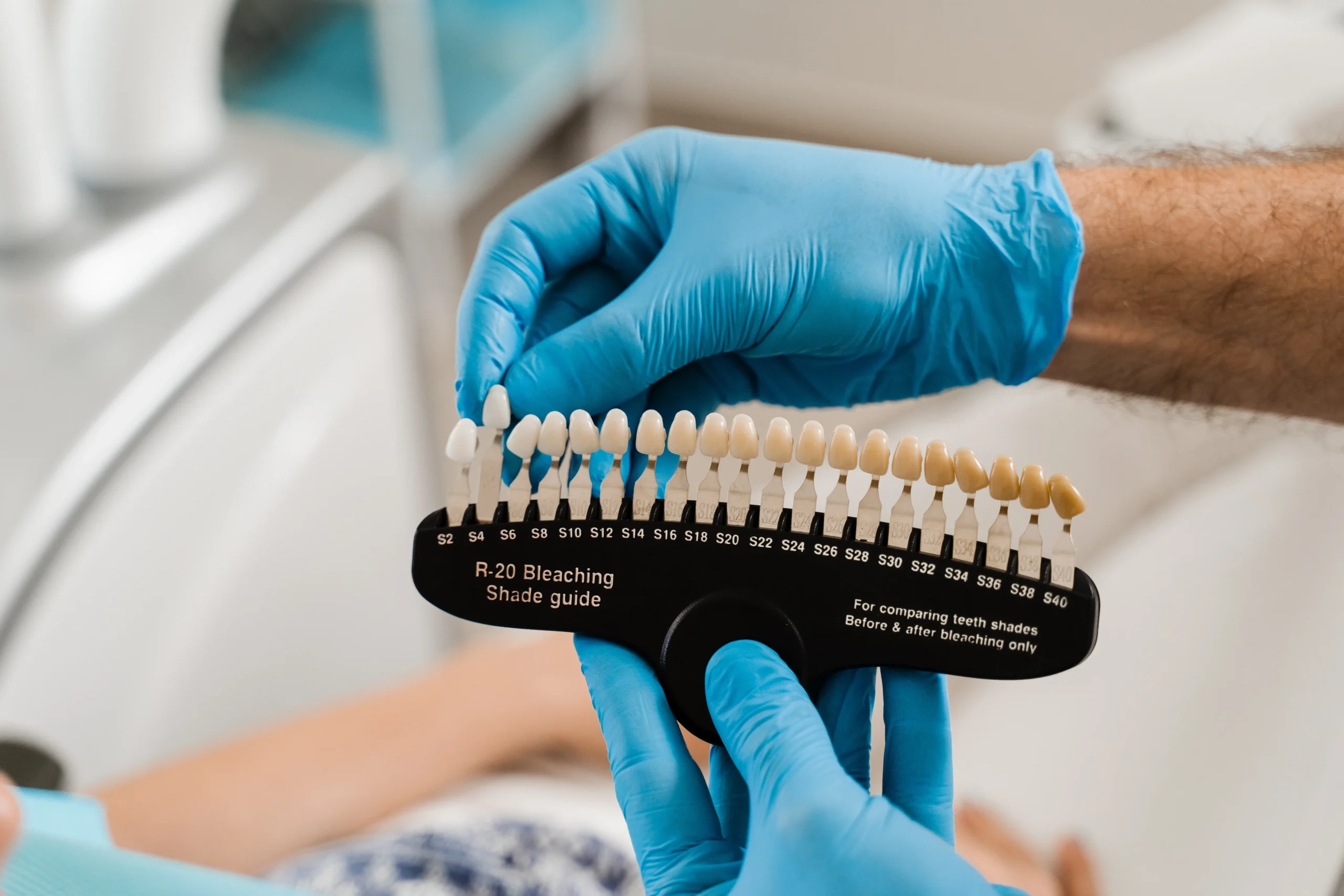
If you’ve been scrolling through glossy smile makeovers and searching for before and after composite bonding, you’ve probably had two thoughts at once:
“That looks incredible.”
“Okay, but… is it actually realistic for me?”
Fair question. Composite bonding can deliver genuinely impressive changes sometimes in a single appointment but it’s not magic, and it’s not the same as veneers or orthodontics. The best results happen when expectations are clear from the start, the treatment is planned properly, and you look after the bonding afterwards.
So this blog is your straight-talking guide to before and after composite bonding: what it can fix, what it can’t, how natural it can look, and what “good” looks like a few months (and years) down the line.
What is composite bonding?
Composite bonding (also called tooth bonding or dental bonding) involves applying a tooth-coloured resin to the tooth, shaping it to improve the appearance, and hardening it with a curing light. It’s commonly used for:
- Small chips and fractures.
- Closing small gaps.
- Smoothing uneven edges.
- Improving shape and symmetry.
- Masking discolouration.
When done well, it blends in beautifully people often can’t tell what’s been changed.
Before and after composite bonding: the results most people want
Let’s talk about the most common “before” situations the ones people bring to cosmetic consults all over the UK.
1) Chipped front teeth (especially the corner chip)
- Before: a small chip that catches the eye in photos, makes the tooth look shorter, or creates a rough edge.
- After composite bonding, the edge is rebuilt and polished so it looks like the tooth was never chipped.
This is one of the strongest use cases for before-and-after composite bonding because the change is obvious, but still natural.
2) Small gaps (especially between the front teeth)
- Before: a little space that bothers you every time you smile, even if everyone else says it’s “cute”.
- After composite bonding, by adding resin to one or more teeth, the gaps are reduced or closed.
3) Uneven tooth lengths / worn edges
- Before: teeth look jagged, slightly uneven, or worn down (sometimes from grinding).
- After composite bonding, the edges are levelled, symmetry improves, and the smile line looks smoother.
4) Misshapen teeth (peg laterals, narrow teeth, uneven proportions)
- Before: one tooth looks smaller or oddly shaped compared to the rest.
- After composite bonding, the tooth can be reshaped to match neighbouring teeth more closely.
5) Patchy appearance or discolouration that doesn’t respond to whitening
- Before: uneven colour that makes one tooth stand out.
- After composite bonding, the resin can mask certain discolourations and help the smile look more unifor
(Quick note: whitening doesn’t change the colour of bonding material, so shade planning matters if you’re considering whitening too.)
What composite bonding can’t do (and this is where expectations need to be honest)?
A lot of disappointment happens when people expect before-and-after composite bonding to deliver results that actually require a different treatment. Composite bonding is fantastic for minor to moderate cosmetic changes. But it won’t reliably fix:
Crowding or crooked teeth
Bonding can sometimes “camouflage” minor misalignment, but if the tooth is rotated or heavily out of line, adding resin can make teeth look bulky. In those cases, orthodontics (braces/aligners) is usually the better first step.
Major bite issues
If your bite is heavy edge-to-edge, or you grind a lot, bonding can chip more easily. Composite is softer than ceramic and can be vulnerable under force something dentists often emphasise when discussing pros and cons.
Yellow or dull colour
Bonding can improve shape and small colour inconsistencies. But if your main goal is a dramatic whiteness change, you’ll usually look at whitening first, then bonding only where needed (planned around the final shade).
What does “good” before and after composite bonding look like?
When composite bonding is done properly, the results aren’t just “whiter”. They’re about proportion, texture, and realism. Here’s what you should expect from quality before and after composite bonding:
- Natural shape: teeth look like real teeth, not flat “blocks”.
- Good symmetry: not identical (real smiles aren’t), but balanced.
- Healthy contours at the gumline: an even gumline that prevents plaque.
- Smooth bite: teeth come together comfortably without knocking the bonding.
- Polished finish: glossy enough to look like enamel, not chalky.
What happens in the composite bonding appointment?
Many people are surprised by how quickly it can be. Dental bonding is often completed in a single visit, and the resin is shaped directly on the tooth before being hardened with a curing light. A typical appointment flow:
- Consultation + shade selection.
- Tooth preparation.
- Resin application and shaping.
- Curing (hardening) with a light.
- Bite check, finishing, and polishing.
The shaping and polishing stage is where the “premium” look is created it’s not just sticking resin on and calling it done.
How long do results last after composite bonding?
This matters because before and after composite bonding photos are usually taken on day one freshly polished, perfect lighting, zero tea stains. In real life, bonding typically lasts between 3 and 10 years before it needs touching up or replacing, depending on habits and how many teeth were treated.
Many dentists also emphasise that bonding is not a permanent solution and can stain or chip over time. So yes, the “after” can stay lovely but it’s a maintainable cosmetic treatment, not a lifetime guarantee.
What changes after the “after” photo?
This is where I’ll be honest, because it’s better than being surprised later.
1) Staining can happen
Composite is more prone to staining than porcelain, especially with tea/coffee, red wine, smoking, and highly pigmented foods. Dentists often point out the staining risk as a key limitation.
2) Minor chips are possible
If you bite nails, chew pens, crunch ice, or grind your teeth, bonding may chip. Again: it’s not “bad treatment”, it’s material behaviour under stress.
3) Your bite matters more than you think
A good dentist will check how your teeth meet after bonding. Small bite adjustments can protect the work long term.
4) Maintenance is normal
A quick polish or small repair is often all it takes to refresh bonding that’s dulled or chipped.
How to make your before and after composite bonding results last longer?
If you want the “after” to stay photo-ready for as long as possible, focus on these habits:
- Brush twice daily and clean between teeth daily.
- Avoid abrasive whitening toothpastes (they can dull the surface polish).
- Cut down “slow sipping” tea/coffee all day staining is about exposure time.
- Rinse with water after strongly coloured foods/drinks.
- Don’t use your teeth as tools (packages, bottle caps… please no).
- If you grind, ask about a night guard.
- Keep up with check-ups and hygiene visits.
Simple stuff, but it makes a real difference to how your before and after composite bonding result ages.
Composite bonding vs veneers: why the “after” looks different
Sometimes people compare their before and after composite bonding results to veneer transformations and feel underwhelmed. Key differences:
- Composite bonding is often more conservative and can be done quickly.
- Porcelain veneers can be more stain-resistant and longer-lasting, but are more involved and usually cost more.
- Bonding can look incredibly natural, but it may not keep a high-gloss “brand new” look forever without maintenance.
Neither option is automatically better. It depends on goals, bite, budget, and how much change you want.
Who is composite bonding best for?
Composite bonding is usually a great option if you:
- Want a noticeable improvement without major drilling.
- Have small chips, gaps, or uneven edges.
- Want a relatively quick cosmetic upgrade.
- Are happy with a natural-looking result (not necessarily “Hollywood white”).
It may not be ideal if you:
- Have active gum disease or untreated decay (these need sorting first).
- Have a very heavy bite or severe grinding without protection.
- Want a dramatic colour change across many teeth.
FAQs
- How dramatic are the before-and-after composite bonding results?
They can be very dramatic for chips, gaps, and uneven edges especially on front teeth but they’re best for minor to moderate changes.
- Does composite bonding look fake?
Good bonding shouldn’t. Natural texture, correct translucency, and careful shaping make a big difference.
- Is composite bonding available on the NHS?
Bupa notes cosmetic bonding is not available on the NHS when it’s purely cosmetic, and is typically offered privately.
- How long before I can eat after bonding?
Your dentist will guide you, but bonding is hardened during the appointment, and many people return to normal eating quickly.
Final thoughts
The best before and after composite bonding results are realistic, natural, and tailored to your face not a copy-paste smile. Expect cleaner edges, improved symmetry, closed or reduced gaps, and an overall “neater” look, often in one visit.
Just remember: bonding is a cosmetic material. It can stain and chip, and it’s designed to be maintained over time. If you go in knowing that, you’ll usually love the result not just on day one, but years later too.