
Root Canal Treatment London: What to Expect From Start to Finish
 If your dentist has told you that you may need root canal treatment, there is a fair chance your first reaction was not excitement. More likely, it was something closer to dread. That is understandable. Root canals have had a rough reputation for years, and a lot of that reputation comes from old stories, bad timing, or plain misinformation.
Modern root canal treatment is designed to relieve pain, not cause it. In many cases, the procedure has a routine filling once the tooth is numb. The bigger issue is usually the infection or inflammation already inside the tooth, not the treatment itself. This guide explains the full process in plain English from symptoms and diagnosis to treatment, healing, and aftercare so you know what is coming and can feel a bit more prepared.
What is root canal treatment?
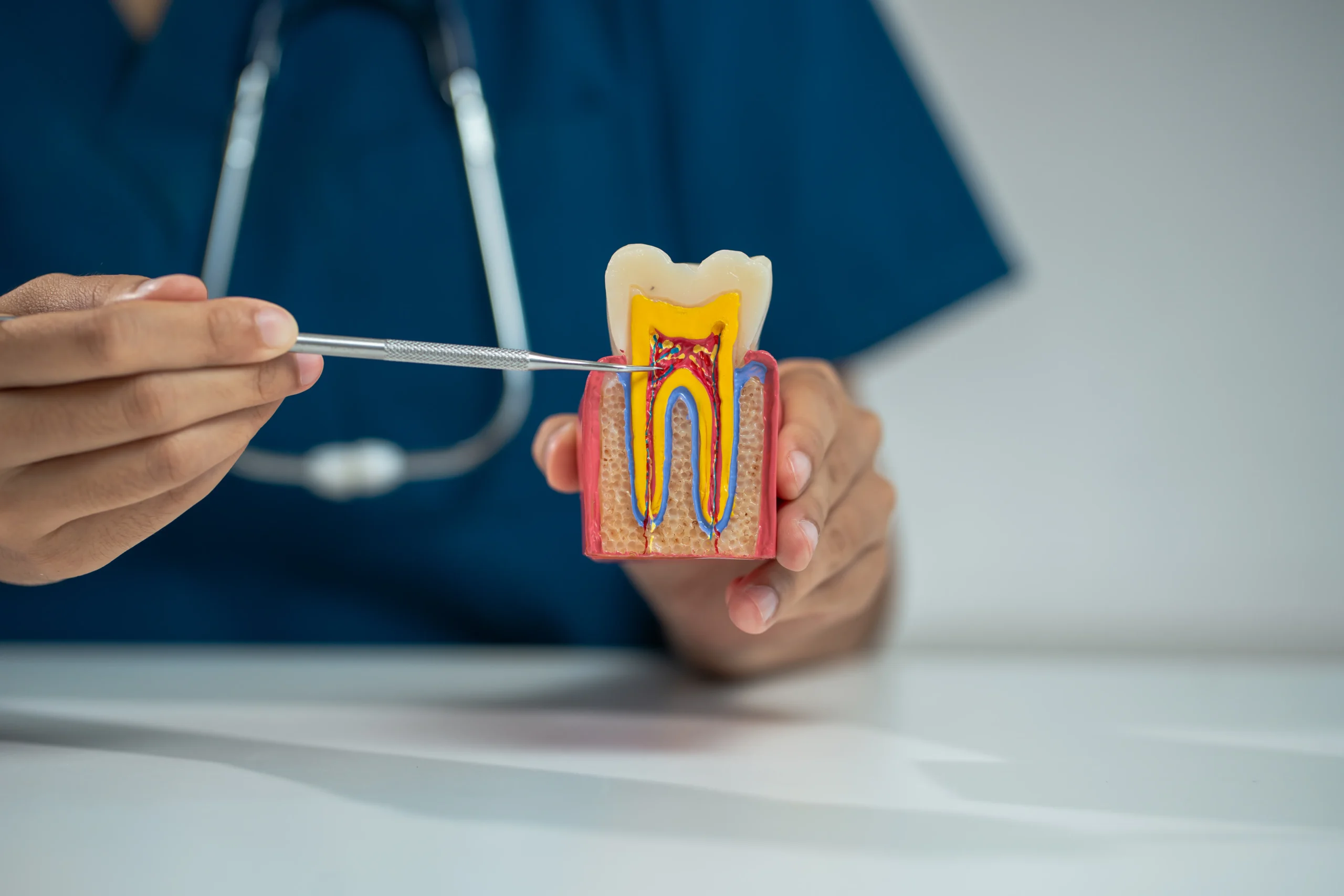
Root canal treatment is used to treat infection or inflammation inside the tooth. Deep inside every tooth is a soft tissue called the pulp, which contains nerves and blood vessels. If that tissue becomes badly inflamed or infected, the tooth can become painful, sensitive, or swollen. A root canal works by:
- Removing the damaged or infected pulp.
- Cleaning and disinfecting the inside of the tooth.
- Shaping the root canals.
- Sealing the space to help prevent further infection.
The aim is simple: save the natural tooth instead of removing it.
Why might you need root canal treatment?
Not every toothache means you need a root canal, but certain signs do raise suspicion.
Common reasons for needing treatment
- Deep decay that has reached the nerve.
- A cracked or damaged tooth.
- Trauma to the tooth, even if it happened a while ago.
- Repeated dental work on the same tooth.
- Infection spreads to the pulp.
Common symptoms
You might notice:
- Lingering pain, especially when eating or drinking.
- Sensitivity to hot or cold that hangs around.
- Pain when biting down.
- Swelling near the tooth or gum.
- A darkening or discolouration of the tooth.
- A pimple-like bump on the gum.
Sometimes, though, there is little or no pain at all. A dentist may spot the problem on an X-ray before you feel much.
Is root canal treatment painful?
Modern root canal treatment is typically carried out under local anaesthetic, so the tooth should be numb during the procedure. You may feel:
- Pressure.
- Vibration from the dental instruments.
- A little tenderness.
Step 1: The consultation and diagnosis
Your dentist needs to confirm that root canal treatment is the right option. The dentist will:
- Ask about your symptoms.
- Examine the affected tooth.
- Perform sensitivity or bite tests.
- Take dental X-rays.
A good dentist will explain what they see and talk you through the options. This is also the time to ask questions, especially if you feel anxious.
Step 2: Preparing for the procedure
Once the plan is confirmed, the next step is to prepare the tooth.
Numbing the area
The dentist gives a local anaesthetic to numb the tooth and the surrounding area.
Isolating the tooth
A rubber dam is often placed around the tooth. This is a small protective sheet that keeps the area dry and helps prevent bacteria from saliva entering the tooth during treatment.
Step 3: Accessing the Root Canal
The dentist makes a small opening in the top of the tooth to access the root canals after numbing the tooth. This allows them to reach the damaged tissue inside. If there is infected or dead pulp, it will be removed using fine dental instruments. It is usually not the painful part that people imagine.
Step 4: Cleaning and shaping the canals
Inside each tooth root are narrow canals. Canals must be cleaned and shaped before sealing. The dentist uses very small tools to:
- Remove pulp tissue.
- Clean the inner canal surfaces.
- Use disinfecting solutions to flush bacteria and debris.
- Shape the canals for filling.
It is a detailed process that requires precision and more time. Because the canals are very small and sometimes curved. Bacteria can remain inside the tooth, and the infection may return if the canals are not cleaned properly.
Step 5: Filling the root canals
The clean and disinfected canals are filled with a material (a rubber called gutta-percha). The purpose of this step is to stop bacteria from re-entering the tooth. It supports the internal structure and protects the tooth from future infection. After the canals are sealed, the dentist places either a temporary filling or starts preparing the tooth for its permanent restoration.
Do you always get the final filling or crown straight away?
Not always. The dentist may complete the root canal and place a permanent filling on the same day in some cases. But, some need a
temporary filling may be placed first, if:
- The infection was severe.
- The tooth needs time to settle.
- A separate appointment is needed for a crown.
A crown helps protect the tooth and reduce the risk of fracture. Back teeth benefit from a crown because the tooth can become more brittle over time.
How many appointments does root canal treatment take?
That depends on the tooth and the severity of the problem.
One visit may be possible if:
- The tooth is straight.
- There is limited infection.
- Access is good, and the canals can be treated efficiently.
Two or more visits may be needed if:
- The canals are complex.
- The infection is significant.
- Medication needs to be placed inside the tooth (between visits).
- Extra restoration work is required.
So, front teeth are quick ones. Molars can need more visits because they have more canals and can be trickier to reach.
What happens after root canal treatment?
The tooth may feel slightly tender for a few days. This is normal and goes on its own. You may notice:
- Mild soreness when biting.
- Tenderness around the tooth.
- A general “bruised” feeling.
This usually settles with time and, where appropriate, over-the-counter pain relief.
What to avoid right after treatment
Until the tooth has been permanently restored, it is sensible to:
- Avoid chewing hard foods on that side.
- Do not bite on crunchy or sticky foods.
- Follow your dentist’s instructions about care and follow-up.
If a temporary filling has been placed, the tooth may be more vulnerable until the final restoration is completed.
When should you call the dentist after treatment?
Most post-treatment discomfort is manageable, but certain symptoms should be checked. Contact your dentist if you have:
- Severe or worsening pain.
- Swelling that increases instead of improves.
- A filling that falls out.
- Difficulty biting that does not settle.
- Signs of infection, such as spreading swelling or fever.
Root canal treatment is very successful, but follow-up matters.
Is root canal treatment better than extraction?
Saving your natural tooth is preferable when the tooth can be restored properly. Your own tooth helps maintain natural chewing, bite balance, and jaw function. It also avoids the extra cost and planning that may come with replacing a missing tooth later, such as bridgework, dentures, or implants. Root canal treatment is not always the right choice. If the tooth is too damaged or the surrounding support is poor, extraction may be more realistic.
How successful is root canal treatment?
Root canal treatment has a strong track record when the case is diagnosed properly, and the tooth is restored well afterwards.
Success depends on many things:
- The extent of the original infection.
- How well the canals are cleaned and sealed.
- Whether the tooth is protected afterwards.
- Your oral hygiene and follow-up care.
A root canal-treated tooth can last for years, even decades, particularly if it is crowned when needed and maintained properly.
Aftercare Tips
To help your tooth recover smoothly
- Avoid chewing hard foods on the treated tooth (for the first few days).
- Maintain good oral hygiene.
- Brush and floss regularly.
- Attend follow-up appointments.
- Have your crown placed if recommended.
Proper care helps ensure your root canal treatment lasts as long as possible.
How to choose the right provider for Root Canal Treatment in London?
Things worth checking include:
- Experience with root canal cases.
- Whether more complex cases are referred to or treated by an endodontist.
- Patient reviews mentioning pain relief and comfort.
- Clear explanations of treatment and aftercare.
- Proper follow-up and restoration planning.
Final thoughts
Hearing that you need root canal treatment in London can sound daunting. But the reality is usually much less dramatic than people fear.
Modern root canal treatment is a structured and precise procedure. It is designed to remove infection, relieve discomfort, and save your natural tooth. The process from diagnosis and numbing to cleaning, sealing, and final restoration helps to protect the tooth and helps you avoid extraction where possible.
For many patients, the biggest surprise is not how painful it is but how manageable it feels once they know what to expect. If a tooth is giving you persistent pain, sensitivity, or swelling, do not leave it to chance. Getting it checked early can make treatment simpler, faster, and more predictable.