
Cosmetic Dental Treatments in London: What Can Transform Your Smile?
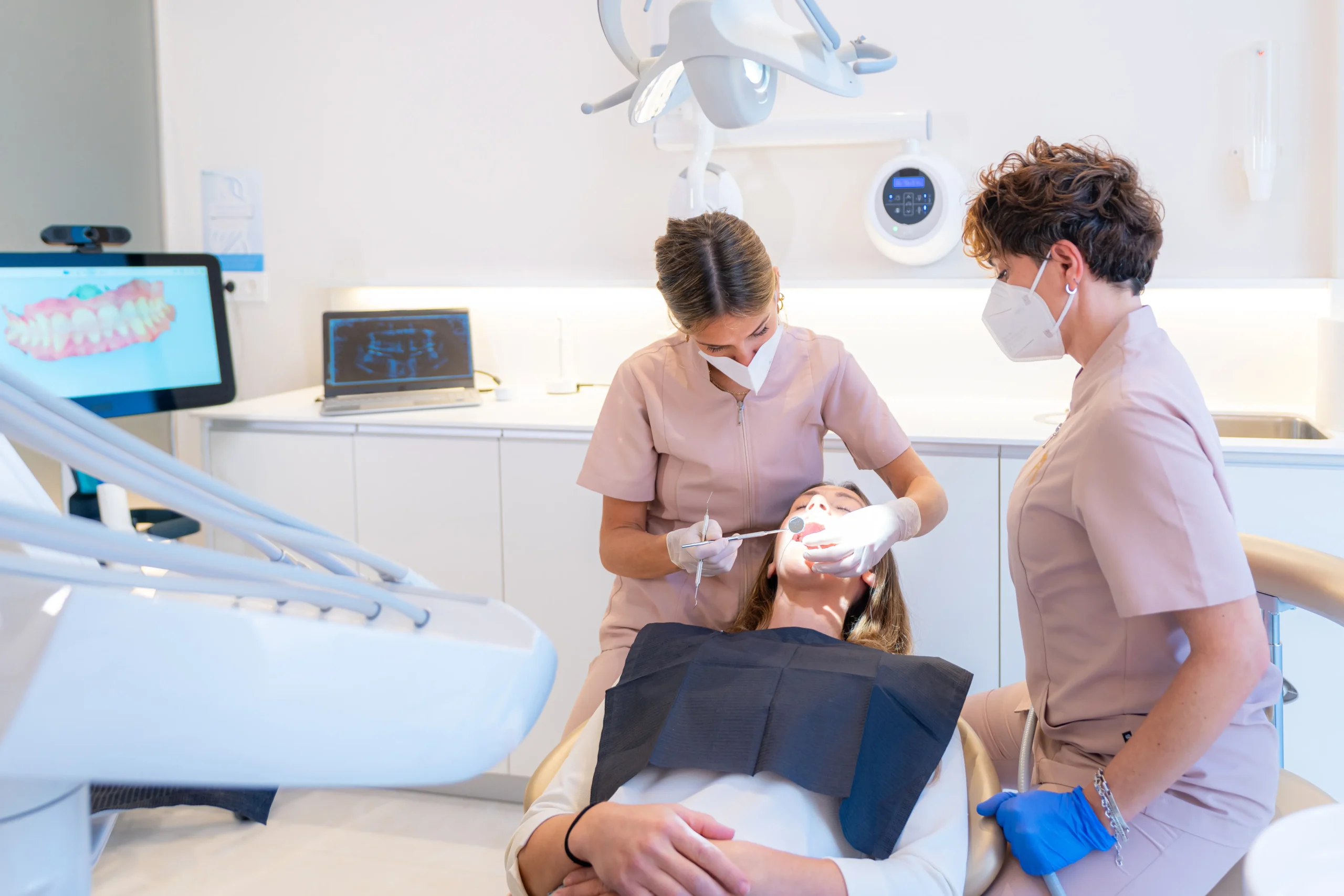
Cosmetic dentistry has a funny reputation. Some people hear it and think “Hollywood teeth” blindingly white, perfectly uniform, and maybe a little too perfect. Others assume it’s purely vanity, like it’s not “real” dentistry.
In reality, cosmetic dental treatments in London cover a wide spectrum. Yes, there are smile makeovers and veneers. But there’s also bonding that protects worn edges, aligners that make brushing easier because teeth are less crowded, and replacing missing teeth so you can chew properly again.
If you’re wondering what could genuinely transform your smile without ending up with a look that doesn’t feel like you this guide breaks it down in plain English.
What counts as cosmetic dentistry (and what doesn’t)?
Cosmetic dentistry focuses on improving the look of teeth and gums: colour, shape, alignment, and overall balance. But here’s the overlap people don’t talk about enough:
- A cosmetic change can also improve function (for example, straightening crowded teeth can make cleaning easier).
- A functional treatment can be cosmetic (a crown or implant might be needed structurally, but the aesthetic outcome matters too).
So the best cosmetic work usually sits in the middle: it’s attractive, yes, but it’s also sensible.
The “smile transformation” options in London
When people search for cosmetic dental treatments in London, they’re usually looking for one of these outcomes:
- Whiter, brighter teeth.
- A straighter smile without metal braces.
- Fixing chips, cracks, and worn edges.
- Closing small gaps.
- A more even, “tidier” look overall.
- Replacing a missing tooth (or several).
- Improving gum shape (less “gummy” or uneven).
Teeth whitening: the quickest visible upgrade
If your teeth are healthy and your main issue is colour, whitening is often the most dramatic change for the least effort.
What it can help with
- Tea/coffee staining.
- Smoking stains.
- General dullness or yellowing over time.
What it can’t do
- Change the colour of fillings, veneers or crowns.
- Fix gaps or crowding.
Whitening options
- In-clinic whitening: done under supervision and offers quick results.
- Dentist-custom trays: use at home and offer gradual results.
If you’re planning composite bonding or veneers, whiten first. The dentist can colour-match the cosmetic work to your brighter shade.
Composite bonding: the “tiny changes, big impact” treatment
Composite bonding is one of the most popular cosmetic treatments in London right now. It’s quick, relatively affordable compared to veneers, and can look very natural when done well. Bonding uses a tooth-coloured resin to reshape or rebuild parts of the tooth.
Best for
- Small chips.
- Worn edges.
- Minor gaps.
- Slight unevenness in tooth shape.
- “Peg” laterals (small side incisors).
Why do people love it
- Completed in one visit.
- Minimal drilling (sometimes none).
- Immediate improvement.
Bonding can last years. But it can stain over time and chip if you bite nails, crunch ice, or treat pens like snacks. Bonding is the best option for you if you want a fine smile without using veneers.
Veneers: when you want a bigger, more controlled transformation
Veneers are thin shells placed over the front surface of teeth to change colour, shape, and alignment. They’re often used for true “smile makeover” results — but they aren’t always the right first step.
Types you’ll hear about
- Porcelain veneers: strong, stain-resistant, very natural when done properly.
- Composite veneers: more affordable, can be done quicker, but typically stain more over time.
Best for
- Teeth that don’t respond well to whitening.
- Multiple teeth with chips/wear.
- Gaps or uneven sizes.
- Mild-looking crowding (where orthodontics isn’t necessary or preferred).
Not all veneers are the same. The most important conversation is about how much tooth structure is removed (if any). The goal is the most conservative approach that still gives the result you want. If a dentist jumps straight to veneers without discussing whitening, bonding, or aligners first, that’s a yellow flag.
Invisalign and clear aligners: a long-term transformation that looks “real”
For many people, the biggest confidence change isn’t whiter teeth it’s straighter teeth. And clear aligners (like Invisalign) are popular in London because they’re discreet and fit busy work/social lives.
Best for
- Crowding.
- Gaps.
- Mild to moderate bite issues.
- Teeth that have shifted after braces (very common).
Why aligners can beat “quick cosmetic fixes”
If teeth are misaligned, bonding or veneers can mask it but aligners actually correct the position. That often means:
- Better hygiene access.
- More stable long-term outcome.
- Less need to shave teeth for cosmetic camouflaging.
Aligners take longer than whitening or bonding, but the results often look the most natural because they’re your real teeth just better positioned.
Gum contouring: the underrated part of smile aesthetics
People focus on teeth, but the gum line frames the smile. Even small unevenness can make teeth look shorter or “lopsided”. Gum contouring (sometimes called gum reshaping) can:
- Reduce a gummy smile.
- Even out an uneven gum line.
- Reveal more tooth structure for a balanced look.
It’s not for everyone, but in the right case, it’s one of those “how did that make such a difference?” treatments.
Crowns: cosmetic and protective (not just “for bad teeth”)
Crowns aren’t a purely cosmetic treatment, but they can be part of a smile transformation — especially when teeth are:
- Heavily filled.
- Cracked.
- Worn down.
- Weak after root canal treatment.
Modern crowns can look extremely lifelike. If a tooth needs structural support anyway, upgrading aesthetics at the same time is often a smart move.
Dental implants: replacing missing teeth
Missing teeth is not a cosmetic issue, but also affects one’s life. Over time, gaps can affect bite, chewing efficiency, and even face support. Dental implants replace the tooth root and support a crown that looks and functions like a natural tooth.
Best for
- Single missing tooth.
- Multiple missing teeth.
- Stabilising dentures (implant-retained options).
Implants are a bigger journey than bonding or whitening. But for the right patient, they’re one of the most transformational treatments available.
For an evidence-based overview of implants, you can reference guidance from the NHS.
Smile makeovers in London (how dentists plan a transformation)
A proper smile makeover isn’t “pick a treatment and hope.” The best cosmetic dentistry clinics in London will plan it in stages.
What a good cosmetic consultation often includes
- A chat about goals (and what you don’t want).
- Photos and digital scans.
- Bite assessment (very important).
- Discussion of options, not a single pitch.
- A realistic treatment timeline.
The step people forget (trial smile/mock-up)
Some clinics can create a temporary preview (wax-up/mock-up) so you can see the proposed shape before committing. That can prevent the “wait… these don’t feel like me” moment after the final result.
Which cosmetic treatment is right for your smile?
Here’s a quick way to match the problem to likely solutions:
If your teeth are mainly stained
- Whitening (first choice).
- Veneers only if whitening won’t work, or you want shape changes too.
If you have chips or worn edges
- Composite bonding.
- Veneers (rebuilding multiple teeth).
- Crowns (the tooth is structurally weak).
If you have small gaps
- Bonding (for tiny gaps).
- Aligners (for better long-term positioning).
If teeth are crooked or crowded
- Invisalign / clear aligners.
- Veneers (for cosmetic camouflage).
If you’re missing teeth
- Implants.
- Bridges.
- Dentures.
Many people end up with a combination, like: Aligners → whitening → bonding. That trio is popular because it looks natural.
Costs of cosmetic dental treatments in London (what affects price)
Prices vary widely across London same treatment name, different quality, different dentist experience, different materials. Many factors can influence cost, such as:
- Dentist’s training in cosmetic/restorative work.
- Material quality (composite brand, porcelain lab quality).
- Digital planning and scanning.
- Complexity (one tooth vs a full smile).
- Aftercare and guarantees.
- Whether you need hygiene or gum treatment first.
Don’t compare price alone but compare results, longevity, and planning. Cheap cosmetic dentistry can be very expensive, as it needs fixing later.
How to choose the right cosmetic dentist in London?
This part matters more than the treatment itself. Look for:
- Before-and-after photos of real cases.
- Consistent natural results.
- Clear discussion of risks and alternatives.
- Transparent costs and treatment steps.
- Good reviews that mention communication and comfort.
Also, pay attention to how you feel in the consultation. If you feel rushed or talked into something, that’s your cue.
Aftercare (how to keep your smile transformation looking good)
Cosmetic dentistry lasts longer when you treat it like an investment.
Basics that actually make a difference:
- Regular hygiene appointments.
- Use a non-abrasive toothpaste (if you have whitening or bonding).
- Wear a night guard (if you grind).
- Avoid using teeth as tools (opening packets or biting hard objects).
- Limit staining habits after whitening (coffee/tea/red wine).
Final thoughts
The most effective cosmetic dental treatments in London aren’t about chasing perfection. They’re about balance: brighter, cleaner, more even but still natural. If you’re not sure where to start, start simple:
- Book a cosmetic consultation.
- Ask what the least invasive options are.
- Build the plan from there.
Whitening, aligners, bonding, veneers, gum shaping, implants — each can be transformational. The real magic is choosing the right one for your face, your goals, and your lifestyle.