
How Long Does Invisalign Take? Real Timelines for London Patients
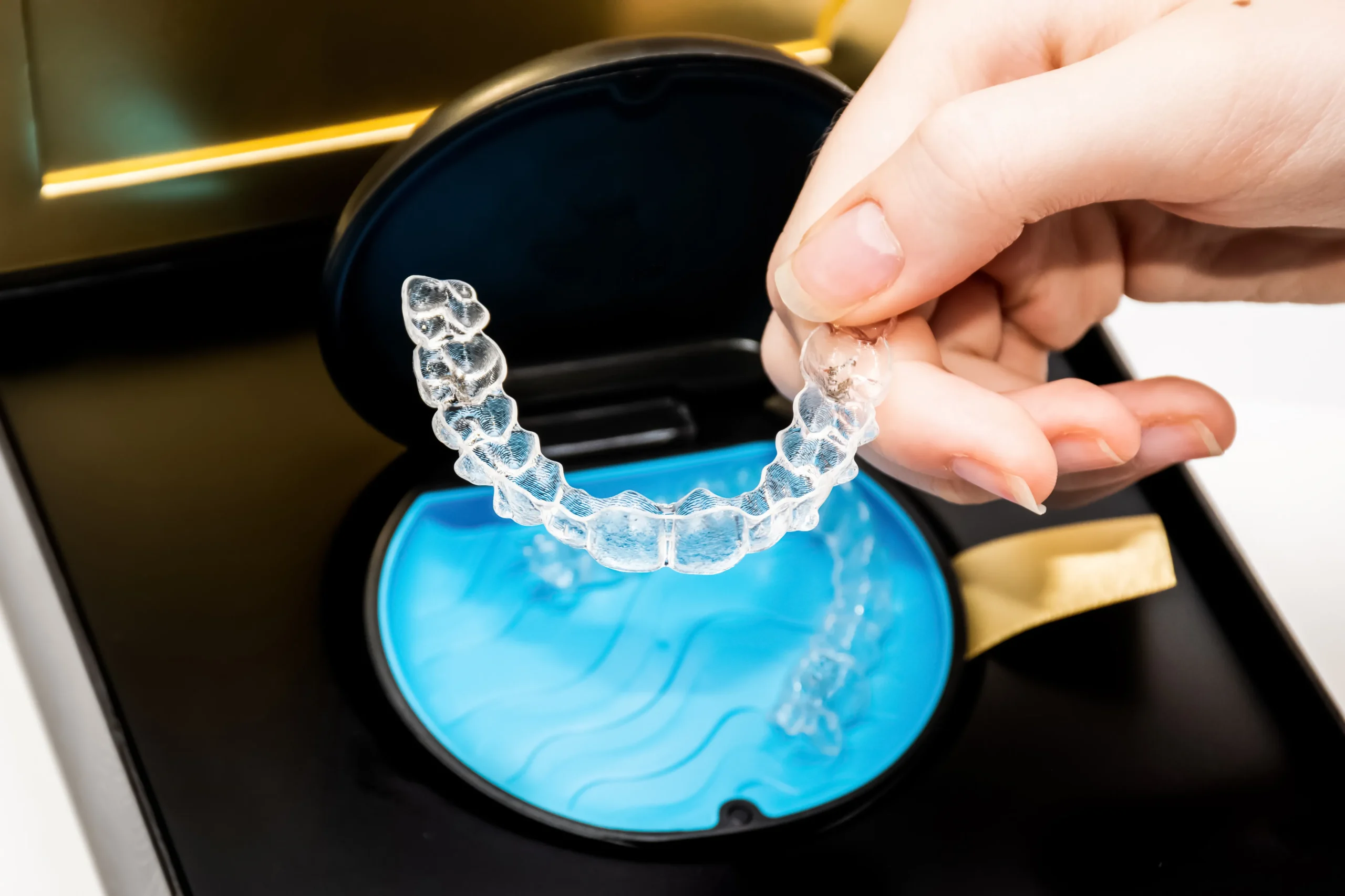
If you’re thinking about clear aligners, one question jumps straight to the front: how long does Invisalign take?
You’ve probably seen quick before-and-after photos on Instagram, heard a friend say they were “done in six months”, and then read somewhere else that treatment can last over a year. No wonder it feels confusing. The truth is, there isn’t a single, magic timeline that fits everyone. But there are very clear patterns – and once you understand what affects the length of Invisalign treatment, the whole process starts to feel much more predictable.
In this guide, we’ll break down realistic Invisalign timelines for London patients, explain what speeds treatment up (and what slows it down), and help you figure out roughly where you might sit on the spectrum.
The Short Answer: Typical Invisalign Treatment Times
Let’s start with a broad overview. For most adults, Invisalign treatment usually takes somewhere between 6 and 18 months, depending on how complex the case is and how well the aligners are worn.
Very mild cosmetic tweaks can sometimes be completed faster, while more complex bite changes can run closer to 18–24 months. The key thing to understand is that Invisalign isn’t just about straight-looking teeth – it’s also about how they fit and function together.
So when you ask, “How long does Invisalign take?” what you’re really asking is, “How much movement do my teeth need, and how efficiently can we guide them there?”
What is the Invisalign Treatment Time?
A few main factors can impact how long Invisalign takes, especially in a busy city like London.
- The Complexity of Your Case.
Your starting point is everything. Your Invisalign dentist in London will assess:
- Crowding: Are teeth slightly overlapping or severely twisted?
- Spacing: To close small gaps or larger spaces.
- Bite issues: Overbite, underbite, crossbite, or open bite.
- Tooth shape and size: Do you have small teeth or worn edges?
- Previous dentistry: Crowns, implants or bridges.
As a rough idea:
- Mild crowding/spacing: often 6–9 months.
- Moderate cases: typically, 9–15 months.
- More complex bites: can take 12–24 months.
- How Consistently Do You Wear the Aligners?
Invisalign works by applying gentle and constant pressure. For that to happen as planned, you need to wear your aligners around 22 hours a day. Only taking them out for meals, drinks (apart from water) and brushing. If they spend more time in your pocket or on a café table than they do on your teeth, treatment slows down. Trays may stop fitting properly, which can lead to refinements, extra aligners and a longer treatment duration.
- Aligner Change Schedule.
Depending on your case and your dentist’s recommendations, you might change to a new set of aligners every week, or every 10–14 days. More frequent changes can sometimes shorten the overall timeline, but only if the teeth are tracking as planned and you’re wearing the aligners as instructed. It’s not something to experiment with on your own; your dentist or orthodontist should decide the pace.
- Refinements and Adjustments.
Refinements are extra sets of aligners used at the end of the main series to fine-tune the result – perhaps rotating a tooth a fraction more, or tightening up a gap. They’re completely normal, and they usually add a few extra weeks or months to Invisalign treatment time. Think of them as the finishing touches rather than a sign that something has gone wrong.
- Your Age and Biology.
In general, younger patients’ teeth can move slightly faster because their bone is more responsive. But adults of all ages can get excellent results with Invisalign. What matters most isn’t your exact age; it’s:
- The health of your teeth and gums.
- Whether you smoke.
- How well do you follow brushing and hygiene instructions during treatment?
The Invisalign Journey: What Happens at Each Stage?
When you’re mapping out how long Invisalign takes, it helps to distinguish between active treatment time and the whole journey from first chat to final retainers.
- Consultation and Assessment
Your dentist will talk to you and listen to what bothers you about your teeth. Examine your oral health (teeth, gums, and bite). Take photos, and often a digital 3D scan of your teeth. This part is usually just one appointment, but it’s crucial. Your gums will need to be addressed first if they aren’t healthy or have cavities.
- Digital Planning
Your dentist or orthodontist creates a digital plan by using Invisalign software (ClinCheck). It shows how each tooth will move step by step. And how many aligners will you need? It also projected treatment time and final outcome. You’ll often be invited back to view this simulation. It’s at this stage that you’ll get your first proper answer to “how long will Invisalign take for me?”
- Fitting Your First Aligners
At your next visit, attachments (tiny tooth-coloured bumps) may be bonded to certain teeth. After you receive your first set, your dentist will teach you how to insert and remove aligners. They will also tell you how long you can wear them each day (usually 22 hours).
- Regular Changes and Reviews
Every week or two, or according to your dentist’s instructions, a new set of aligners is changed. Review appointments in London clinics typically happen every 6–10 weeks, depending on the case. These reviews are where your dentist checks that:
- The teeth are tracking as expected.
- Attachments are still intact.
- You’re coping well with wear time and hygiene.
If anything is lagging behind, they can adjust your plan before things drift too far off.
- Refinements
You and your dentist will assess the result once the main series of aligners is finished. If there are tiny tweaks left to make, they’ll order refinement aligners. This refinement stage typically adds a few extra weeks or months. But it’s where the final polishing happens – especially for perfectionists who care about every detail.
- Retainers – The Long-Term Phase
When people ask how long Invisalign takes, they often forget to factor in retainers. Once teeth have been moved, they’ll always have a tendency to drift back without support. Most dentists will recommend:
- Full-time retainer wear for the first few months after treatment.
- Then, wear nighttime for several nights a week, long-term.
Think of retainers as insurance for your new smile. They don’t add time to the Invisalign treatment. But they’re essential if you want your results to be long-lasting.
Can You Speed Up Invisalign Treatment?
To a point, yes – but always safely, under professional guidance.
What Helps?
- Wearing aligners for the full 22 hours a day – this is the single biggest thing you can do.
- Regular check-ups can help you spot any issues early.
- Use any recommended tools (like chewies) to seat aligners fully.
- Looking after your oral health – inflamed gums or untreated decay can derail treatment.
Some practices may offer additional technologies designed to accelerate tooth movement. But these should always be used under the advice of a qualified dentist or orthodontist.
What Definitely Doesn’t Help?
- Skipping aligners or jumping ahead in the sequence.
- Leaving them out for long stretches because of social events.
- Trying DIY alterations or bending the material.
These aren’t shortcuts; they’re shortcuts to problems – like ill-fitting trays, discomfort and delays.
How To Make Invisalign Work In London Life?
Life in London tends to be fast-paced. Long working hours, commuting, and social plans stack up. The good news is that Invisalign suits this lifestyle as long as you build it into your routine. These tips will help you:
- Keep a small aligner case in your bag or pocket – not wrapped in tissue on a restaurant table.
- Carry a travel toothbrush and mini toothpaste to use after meals.
- Set reminders on your phone to put aligners back in after coffee or lunch.
- Align aligner change days with quieter periods if possible (a Sunday evening).
When you treat Invisalign like part of your everyday rhythm, you’re far more likely to stay on schedule – and your treatment time will line up with the predictions your dentist gave you at the start.
So… How Long Will Invisalign Take for You?
By now, you’ve probably realised there’s no single answer that suits everyone. But you can expect:
- Mild cosmetic cases: around 6–9 months of active treatment.
- Moderate crowding or spacing: 9–15 months.
- More complex bite changes: 12–24 months.
Add a few weeks for initial planning and a few more for refinements, and you have a realistic idea of how long your whole Invisalign journey in London might last. The only way to get a precise timeline is to sit down with an experienced Invisalign provider, let them assess your mouth and see what’s possible.