
Emergency Dental Treatments: What to Do and Where to Go?
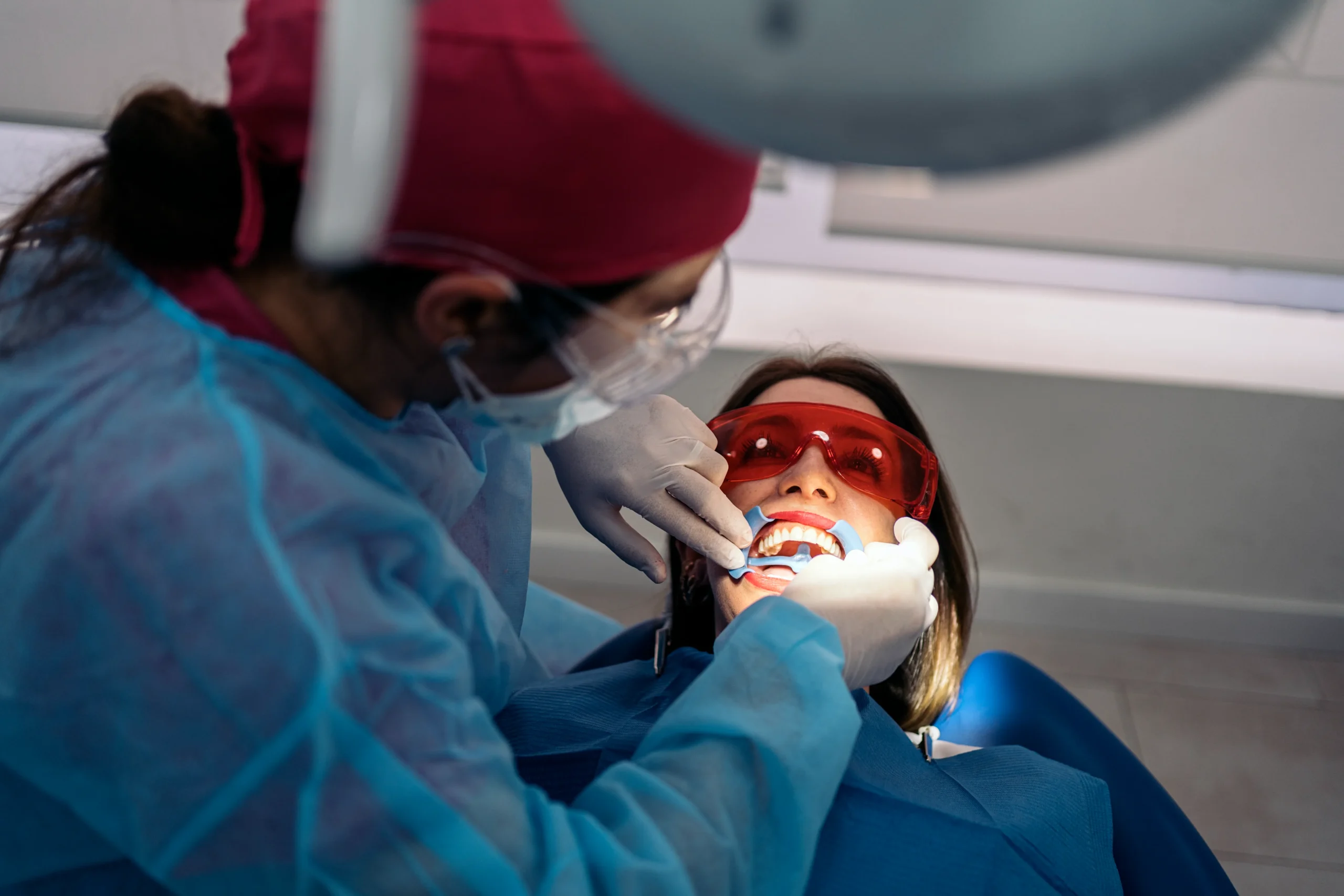
Dental pain has a special talent for showing up at the worst time. Friday night. Before a big meeting. Halfway through dinner. And when it hits, you don’t want a lecture you want a plan.
This guide on Emergency Dental Treatments in London is built for real life: what to do in the moment, what not to do, and where to go in London depending on your symptoms.
If you take only one thing from this: don’t wait until the problem is escalating. Dental issues rarely “calm down” for long, and infections can get serious quickly.
Is it an emergency, urgent, or routine?
Let’s keep it simple. Most Emergency Dental Treatments in London fall into three buckets:
1) Emergency (needs help ASAP)
- Knocked-out adult tooth.
- Uncontrolled bleeding.
- Swelling that’s spreading quickly.
- Severe pain with fever or feeling unwell.
- Facial swelling affecting your eye, breathing, or swallowing.
2) Urgent (needs dental care within 24–7 days)
- Severe toothache that won’t settle.
- Broken tooth with pain.
- Lost filling/crown with sensitivity.
- Gum infection or pus.
- Wisdom tooth flare-up that’s painful.
NHS guidance explains that urgent dental treatment should be offered within 24 hours or 7 days. An adult tooth needs emergency care as soon as possible. Depending on symptoms, it may be knocked out.
3) Routine (book soon, but not panic)
- Mild sensitivity.
- Small chip with no pain.
- Dull ache that comes and goes.
- Cosmetic issues only.
When to call 999 or go to A&E (don’t “wait and see”)
Some dental problems cross over into medical emergencies. Call 999 or go to A&E if you have:
- Difficulty breathing.
- Swelling in your mouth that’s significant.
- A swollen/painful eye or sudden vision issues linked to dental swelling.
These are listed as urgent red flags for dental abscess complications.
Also: if you’re ever unsure and symptoms feel scary, use NHS 111 (phone or online) for guidance.
Where to go for emergency dental help in London
When people search for Emergency Dental Treatments in London, they usually mean: “Who can see me today?” You can try:
1) Call your regular dentist first (if you have one)
Even if it’s outside normal hours, many practices have an emergency message or out-of-hours details. Some private providers also advise trying your dentist first and checking for an out-of-hours number.
2) Use NHS 111 / 111 online for urgent NHS dental care (London)
If you can’t reach a dentist, you’re not registered, or it’s out of hours, contact NHS 111 (phone or online). Local NHS messaging in London also reinforces using 111 for urgent dental care, 24/7.
What happens next?
A clinician will assess your symptoms and, if needed, arrange an appointment at an urgent dental care service.
3) Urgent dental care centres (appointment via 111)
Some London hospital dental services clearly state you need an appointment arranged through NHS 111, and they may not be able to see you if you simply turn up.
4) Private emergency dentists (same-day appointments)
Many private emergency clinics in London can offer same-day appointments. But costs may vary depending on the area, the dentist’s experience, and your issues. If you go for private, choose a dentist who explains options, offers clear pricing, and has reputable reviews.
What to do right now: first aid for common dental emergencies
These steps can reduce damage and buy time until you get professional Emergency Dental Treatments in London.
Severe toothache (no swelling)
Toothache is your body’s way of saying something’s wrong decay, a cracked tooth, an inflamed nerve, a gum infection, etc. NHS advice is to see a dentist if a toothache lasts more than 2 days, and you can ease pain (while waiting) by doing the following:
Do:
- Rinse with warm salt water.
- Eat soft foods.
- Use a cold compress on the cheek.
- Book urgent care via dentist or 111 (if severe).
Don’t:
- Put aspirin directly on gums (it can burn tissue).
- Keep “testing” the tooth by biting hard (it can worsen cracks).
Swelling / dental abscess
Swelling and dental pain are big warning signs. Abscesses can spread.
Do:
- Contact a dentist or NHS 111 the same day.
- Watch for fever, spreading swelling, and feeling unwell.
Go to A&E / call 999 if breathing, vision, or severe swelling issues occur (see red flags above).
Knocked-out adult tooth (this is time-critical)
If it’s a permanent (adult) tooth, quick action can sometimes save it. NHS guidance suggests:
- Hold the tooth by the crown (not the root).
- Rinse gently if dirty (milk/saline/saliva).
- Try to place it back in the socket if it goes in easily.
- If not, keep it in milk.
- Get to a dentist as soon as possible.
- And never put a baby tooth back in.
If you can’t get to a dentist immediately, use NHS 111 to access urgent care.
Broken/chipped tooth
A small chip may not be urgent, but a fracture can cause pain or bleeding, and sharp edges can cause issues (hurt cheeks). Before going to the dentist:
Do:
- Rinse with warm water.
- Apply gentle pressure with clean gauze (if bleeding).
- Cover sharp edges with dental wax, as it can hurt your cheek.
- Seek urgent care if there’s pain or a large break.
Lost filling or crown
Not always an emergency, but it can become one fast if the tooth is exposed and sensitive.
Do:
- Keep the area clean.
- Avoid sticky/hard foods,
- If a crown came off intact, keep it safe and bring it to the appointment.
- Seek urgent Emergency Dental Treatments in London if the pain is significant.
Bleeding after an extraction
Some oozing is normal. Heavy bleeding that won’t stop isn’t.
Do:
- Bite firmly on clean gauze for 20 minutes.
- Keep your head elevated.
- For the first day, avoid spitting/rinsing aggressively (can remove the clot).
If bleeding is heavy or persistent, contact your dentist or NHS 111 for advice.
Pain relief while you wait (general guidance)
A dentist needs to treat the cause, not just the pain, but you still need to function. General tips:
- Cold compress on the cheek (10 minutes on/off).
- Soft foods, avoid chewing on the sore side.
- Keep your mouth clean (gentle brushing + warm salt water rinses).
Medication advice depends on your health history and other medicines. If you’re unsure what’s safe for you, ask a pharmacist or use NHS 111.
What happens at an emergency dental appointment?
Most emergency visits focus on:
- Diagnosis (what’s actually causing the pain).
- Getting you comfortable (relief and stabilisation).
- Preventing it from getting worse (especially infections).
Common emergency treatments include:
- X-rays and an exam.
- Temporary or permanent fillings.
- Drainage of an abscess (when indicated).
- Root canal first-aid (opening the tooth to relieve pressure).
- Extraction (when a tooth can’t be saved or the risk of infection is high).
- Re-cementing a crown.
- Managing gum infections around wisdom teeth.
NHS notes that urgent dental care timing depends on symptoms and severity.
NHS vs private: what’s the difference in an emergency?
NHS urgent care is about treating pain, infection, and urgent problems safely not cosmetic upgrades on the day.
Private emergency care may offer more appointment flexibility and options, but it’s not automatically “better.” The best care is the care you can access quickly that’s clinically appropriate.
How to avoid the same emergency from happening again?
After you’ve had Emergency Dental Treatments in London, prevention is the money-saver (and sanity-saver):
- Don’t skip check-ups if you’re prone to decay or gum issues.
- Get lingering sensitivity checked early.
- Consider a night guard if you grind or clench.
- Replace old fillings before they fail.
- If wisdom teeth flare up repeatedly, discuss longer-term solutions.
Final Words
Dental emergencies rarely arrive at a “convenient” moment. They’re uncomfortable, stressful, and sometimes a little frightening especially if swelling or intense pain is involved. But the most important thing to remember is this: you’re not stuck, and you’re not alone. London has clear pathways for urgent care. Whether that means contacting your own dentist, using NHS 111, or arranging a same-day private appointment, help is available. The key is acting promptly rather than hoping the problem will fade on its own. In dentistry, delay usually makes things more complicated and more expensive later. If you’re ever unsure:
- Severe swelling, breathing difficulty, or vision issues? Call 999 or go to A&E.
- Significant pain, infection signs, or a knocked-out adult tooth? Seek urgent dental care immediately.
- Not registered with a dentist? NHS 111 can guide you.
And once the immediate issue is resolved, take it as a nudge not a failure. Regular check-ups, early treatment of small problems, and simple preventive habits can dramatically reduce the chance of another emergency. Pain demands attention. Prevention brings peace of mind. If you’re currently dealing with a dental emergency in London, don’t wait. Get the right advice, take the right steps, and let a professional help you feel like yourself again.